
















Brief Explanation
The journals of Sylvia Plath, a look into the mind of an American intellectual talent who blessed the literary landscape with wonderfully written poems and books that have remained American classics ever since their publication, offering an intimate perspective to Plath’s already incredibly vulnerable writing.
Review
“With me, the present is forever, and forever is always shifting, flowing, melting. This second is life. And when it is gone, it is dead. But you can’t start over with each new second. You have to judge by what is dead” – Sylvia Plath, somewhere between July 1950 to July 1953.
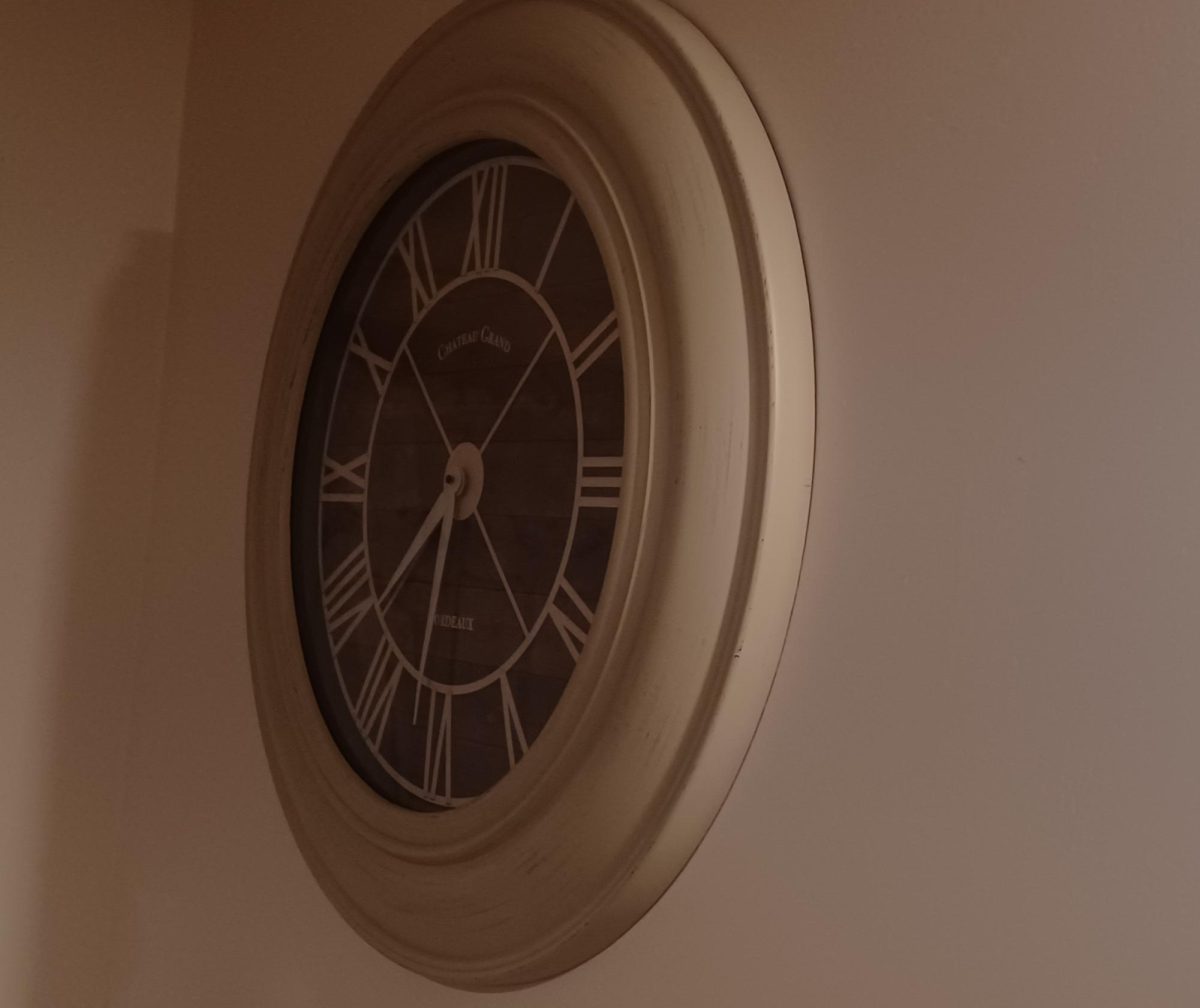
The above quote, a quick excerpt from Plath’s journal entry on page 9 of the collection, expresses my view on time and the passage of it in a very particular way that I can relate to immensely. “The present is forever, and forever is always shifting…” describes the present time in a way of continuous change that evokes a sense of panic, as one attempts to grapple with its complexity. However, the short sentence that follows contrasts greatly, for she alleviates this anxiety by saying that the universal idea that you are experiencing right now, in this moment, is essentially what your life can be boiled down to. You are alive, you are living, and this second is proof of your existence. Furthermore, from the way in which she says “when it is gone it is dead”, Plath reminds you of the nature of time—how simply it escapes from you, without you truly realizing its absence. In this way, she describes my life’s biggest question, the thing that I wish to understand the most—how is it that we can enjoy life without the underlying thought of it all existing for just a mere moment? That eventually, each second’s death will lead to the death of life overall? Sylvia Plath voices these thoughts eloquently and, in her consecutive sentences, explains how each second affects the next, providing context for some of her most famous pieces, such as The Bell Jar, which explores the consequences of one’s actions due to the philosophies that we each live by.
By describing the passage of time, Plath offers readers insight into her psychological state, a factor that acutely impacted the outcome of her writing, and was a large influence on the topics she wrote about in her poems. This lingering uncertainty she attempts to unravel by dumping her thoughts onto the page provides context for the frustrations that hide behind the cleverly written words of her literature. Her journals are highly cherished in the study of literature because we see her thought process, which produced some of the most uniquely written pieces in modern American literature.