
















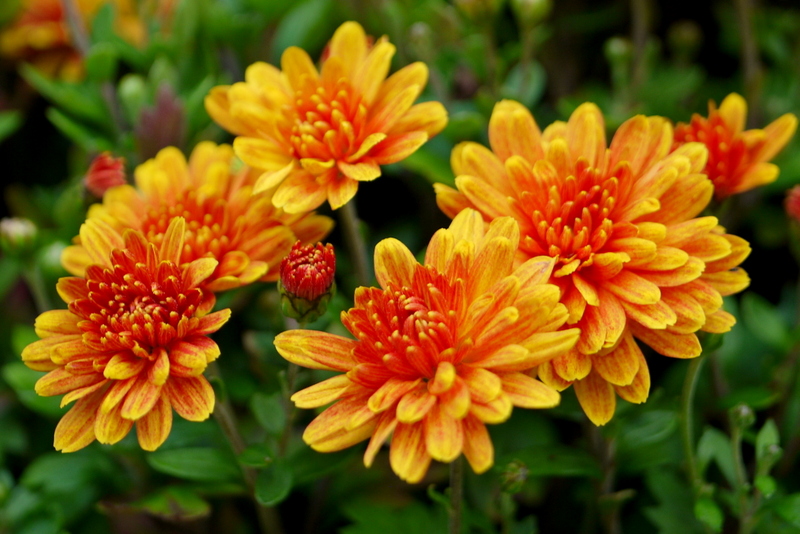
As the curtains fall and the year draws to a close, the warmth of autumn slowly dwindles away. In a routine pattern, snow covers the old in preparation for the new. As the world goes to sleep, the chrysanthemum does the opposite: it wakes up. The chrysanthemum is November’s birth flower, and certain varieties can stay out throughout the winter. You could interpret it as the persistence of positivity and warmth in difficult times.
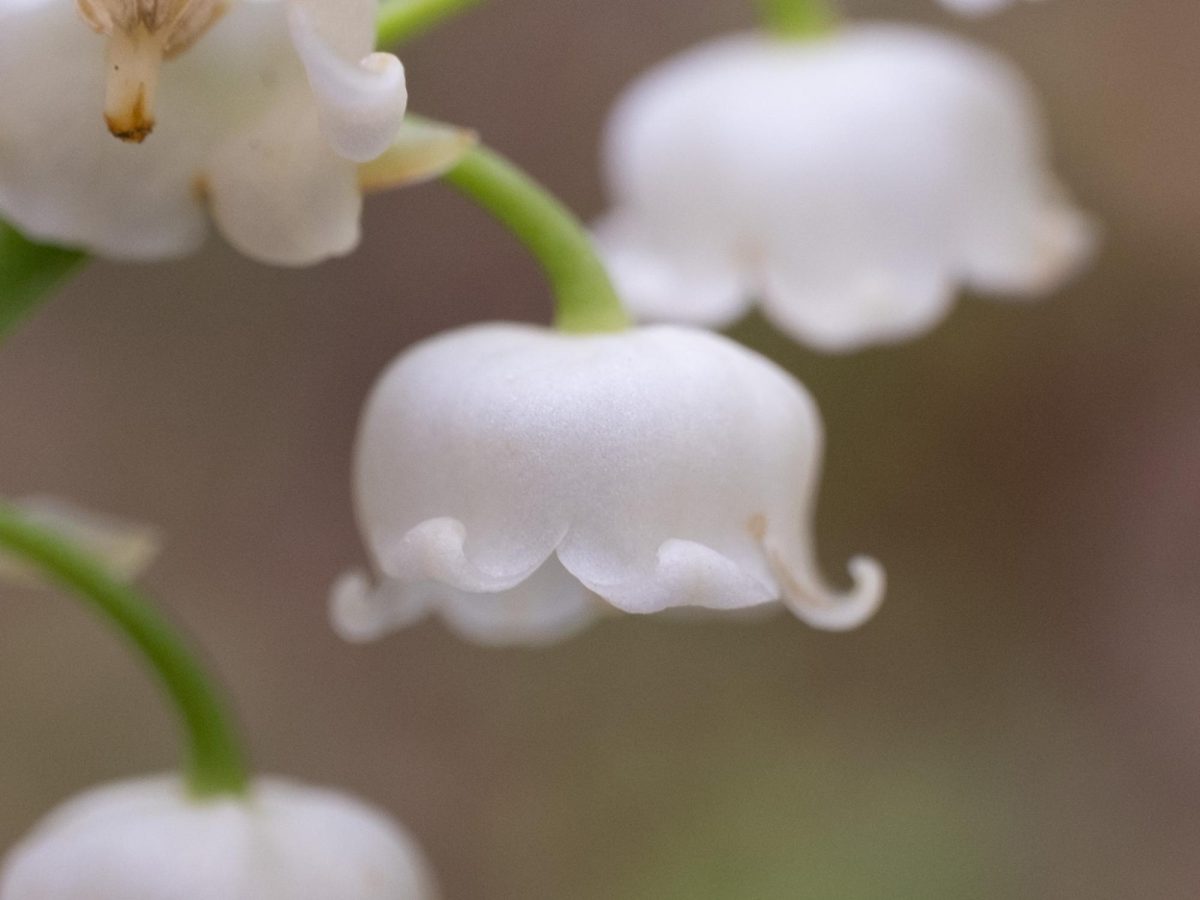
Chrysanthemums generally symbolize longevity, joy, friendship, and optimism, but depending on the color and shape of it, the meaning can change significantly. For example, chrysanthemums with petals that curve inward or “incurve” symbolize death in European countries and are only to be used at funerals. Similarly, in East Asia, white chrysanthemums are a sign of mourning and grief. However, the opposite is true for the United States, where white chrysanthemums are a sign of loyalty and honesty. In the Western world, chrysanthemums are usually seen as a sign of cheerfulness, optimism, and longevity. They are commonly used for funerals and during periods of mourning, as well as on Mother’s Day, where they are a popular gift for mothers in Australia.
Chrysanthemums were first cultivated in Ancient China, where they symbolized wealth, longevity, and good fortune. It is one of the “Four Gentlemen” of Chinese culture, the others being the plum blossom, orchid, and bamboo. Each ‘Gentlemen’ represents a different season, and the chrysanthemum represents autumn and virtue. Because of its prestigious status, festivals are even held to honor it. People also believe that chrysanthemum tea has medicinal properties, as drinking it is believed to bring longevity.
Eventually, the chrysanthemum arrived in Japan from China in the 5th century, where it also symbolizes longevity. It could be argued that the chrysanthemum had a bigger impact on Japanese culture than on Chinese culture, and the chrysanthemum found its way onto kimonos, official passports, the imperial crest, and other priceless artifacts like porcelain and lacquerware. The chrysanthemum became so prestigious that it became the official symbol of the emperor and imperial family. There is even a G1 horse race named after it, the Kikuka Sho, which is the final and longest race required for the legendary Triple Crown.